

首页 - Pakistan Studies
Pakistan Studies/To help students gain a deeper understanding of Pakistani culture and the development of Chinese language education in Pakistan, an academic lecture titled A Study of Chinese Government-Sponsored Language Teachers in Pakistan was held on the afternoon of October 19, 2021, in Room 402 of Dikun Building at Inner Mongolia Honder College of Arts and Sciences. The lecture was delivered by Professor Tang Jun, Director of the Pakistan Research Center at Inner Mongolia Honder College of Arts and Sciences.
Language is both a tool and a bridge for communication among different cultures. The international influence of a language also reflects, to a certain extent, a country’s cultural appeal and comprehensive development. Against the background of international educational cooperation, Chinese language teaching has become an important part of cultural exchange between China and other countries. It not only supports communication in education, culture and society, but also helps build closer understanding among young people from different cultural backgrounds.
During the lecture, Professor Tang first introduced the background of the Chinese Department at the National University of Modern Languages (NUML) in Pakistan. He then gave a detailed overview of NUML’s development and reviewed the history of Chinese teachers sent to Pakistan from 1970 to 2018 to teach and promote the Chinese language.
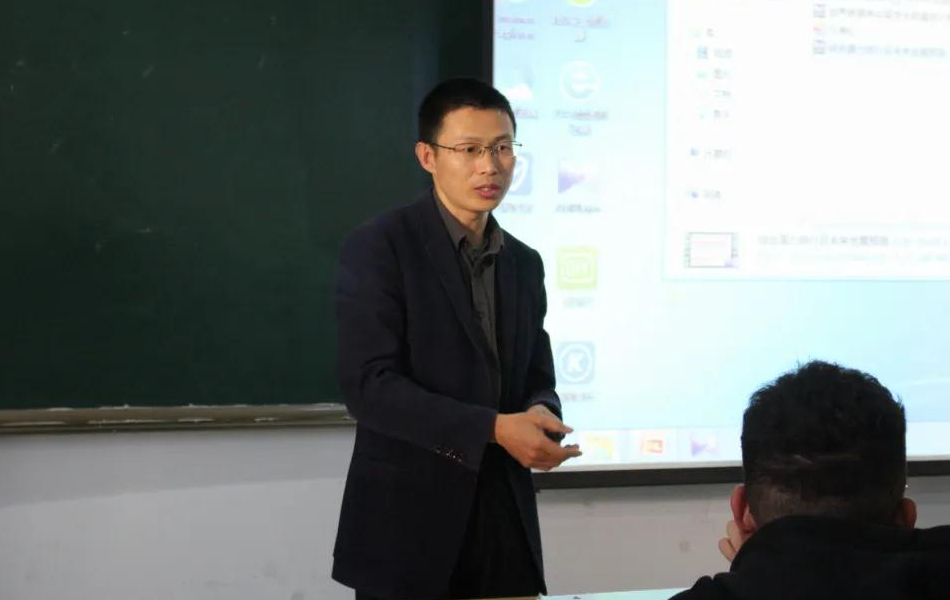
Professor Tang pointed out that Chinese government-sponsored language teachers have played an important role in the international promotion of Chinese language education. They are not only teachers of language, but also bridges of cultural communication. Through classroom teaching, curriculum development, teacher training and daily interaction with students, they have helped Pakistani learners better understand the Chinese language and Chinese culture.
The lecture also reviewed the historical development of the Chinese Department at NUML. Professor Tang emphasized that studying this history is meaningful because it allows students to understand the development process of Chinese language education in Pakistan and to draw experience from the past. He explained that the growth of NUML’s Chinese Department reflects the joint efforts of both local Pakistani teachers and Chinese language teachers sent from China.
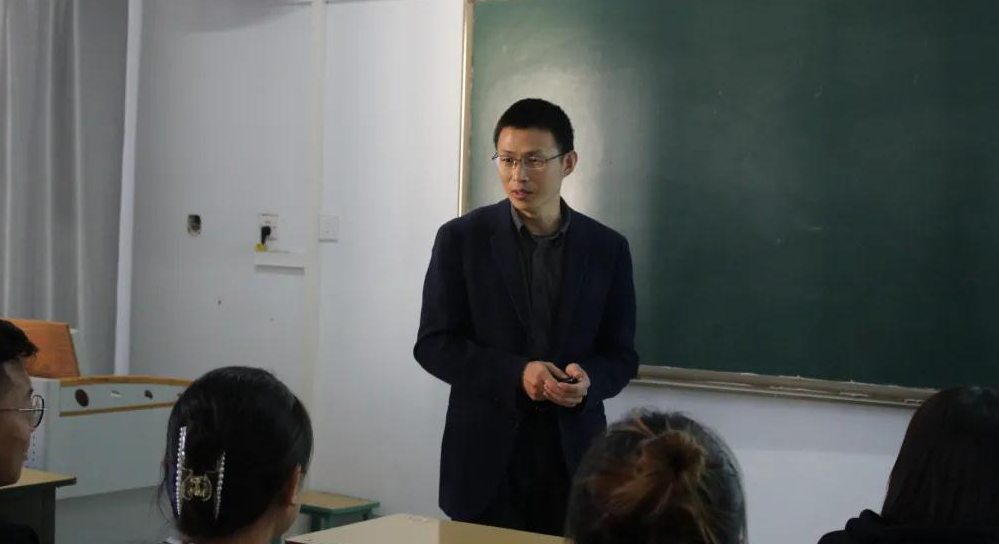
After more than 50 years of development, with the support of Chinese teachers and the dedication of local educators, the Chinese Department at NUML has gradually developed into a more independent and mature academic unit. Professor Tang described this process as a successful example of international Chinese language education: helping a foreign university establish and manage a Chinese department, supporting the training of local teachers and the design of courses, and finally enabling the local university to manage the department independently.
The lecture provided students with a clearer understanding of the history and significance of Chinese language education in Pakistan. It also broadened their international vision and encouraged them to think more deeply about the role of language learning in cultural exchange.
Through this academic salon, students gained not only knowledge about NUML and Chinese language teaching in Pakistan, but also a stronger awareness of the value of their own language and culture. The event encouraged students to continue improving themselves, enrich their knowledge, and demonstrate the confidence and openness of foreign language students in a multicultural environment.
The Pakistan Research Center at Inner Mongolia Honder College of Arts and Sciences will continue to organize academic lectures, cultural exchange activities and research events related to Pakistan studies. Through these activities, the Center aims to further promote educational cooperation, cultural understanding and people-to-people friendship between China and Pakistan.


