

首页 - News & Events
News & Events/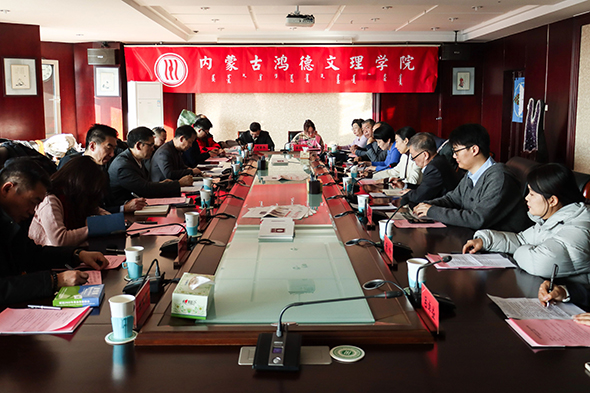
On January 6, the Academic Seminar on the Esperanto Teaching Research and International Exchange Base was held at Inner Mongolia Honder College of Arts and Sciences. Attendees included Yang Jianping, Secretary of the Party Committee and Director of the CICG Center for Asia and Pacific; Wang Hanping, former Deputy Director of the CICG Center for Asia and Pacific and Vice President of Ĉina Esperanto-Ligo; Wang Jiali, Vice President of Inner Mongolia Honder College of Arts and Sciences; Sechenbatar, President of the Inner Mongolia Esperanto Association and Director of the College’s Esperanto Teaching Research and International Exchange Base; Ren Fengtao, Director of the College’s Department of Economics and Management and former Director of the Public Teaching Department; as well as several members of the Inner Mongolia Esperanto Association. The seminar was chaired by Feng Fulin, Director of the College’s Scientific Research Office.
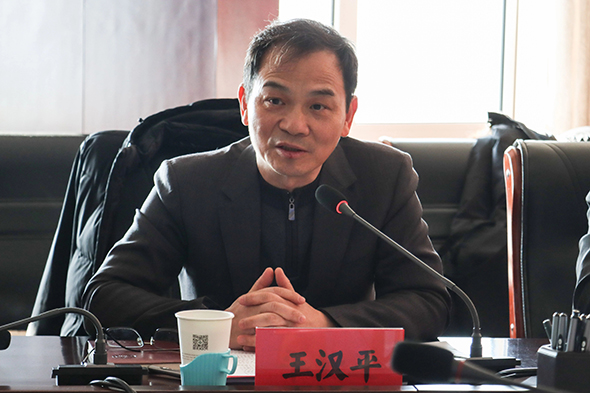
Wang Hanping, former Deputy Director of the CICG Center for Asia and Pacific and Vice President of Ĉina Esperanto-Ligo, delivered a speech. He noted that Esperanto, as a neutral international communication language, plays an irreplaceable role in promoting mutual learning among civilizations and enhancing people-to-people friendship. He expressed the hope that the Base would deepen collaboration, develop Esperanto teaching materials and course resources that reflect the new era and the distinctive characteristics of Inner Mongolia, continuously strengthen its radiating and driving functions, systematically promote the popularization and dissemination of Esperanto in universities across Inner Mongolia, and fully leverage its geographic advantages to actively carry out China-Mongolia cultural exchange activities using Esperanto as a bridge.
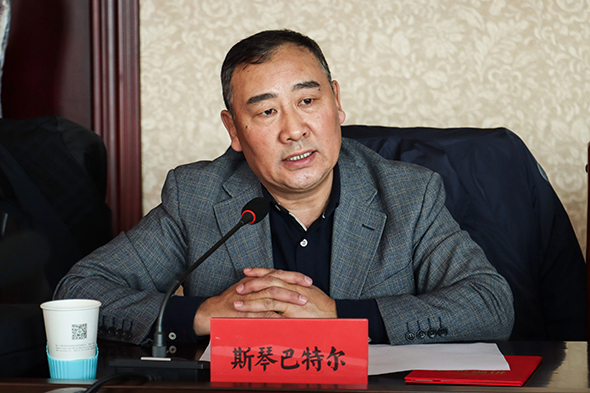
Sechenbatar, President of the Inner Mongolia Esperanto Association and Director of the College’s Esperanto Teaching Research and International Exchange Base, reported on the Base’s construction progress and related work. He stated that since its official establishment in October 2024, the Base has offered Esperanto elective courses to more than 200 students at Inner Mongolia Honder College of Arts and Sciences. During this period, the Base has actively explored innovative teaching models and, guided by the principle of “inviting in and going out,” successfully carried out several cross-cultural exchange activities, achieving notable phased results. He then outlined the next steps, which will focus on advancing the curriculum and developing teaching materials, deepening China-Mongolia cultural exchanges using Esperanto as a medium, actively applying for relevant research projects, and further improving the Base’s teaching and research standards, thereby contributing to the popularization and development of Esperanto.
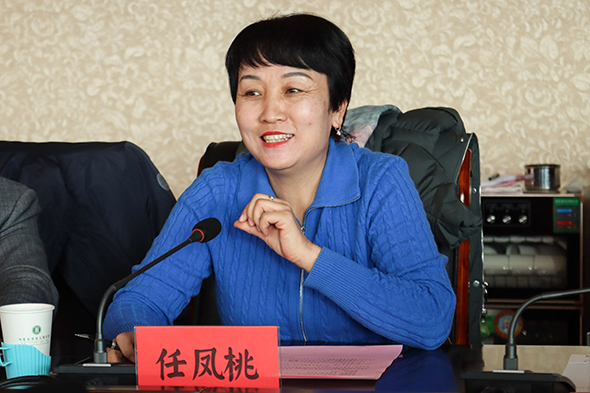
Ren Fengtao, Director of the College’s Department of Economics and Management and former Director of the Public Teaching Department, provided a detailed introduction to the College’s public Esperanto course and its teaching practice. She explained that the Esperanto course is a university-wide elective, with two classes offered each semester, and assessment is conducted through a combination of written exams and oral tests. Moving forward, the College will continue to optimize course development, striving to make Esperanto a signature course characteristic of Honder College, thereby laying a solid foundation for the cultivation and reserve of Esperanto talent in Inner Mongolia.

Student representatives of Esperanto learners from Inner Mongolia Honder College of Arts and Sciences spoke at the seminar.
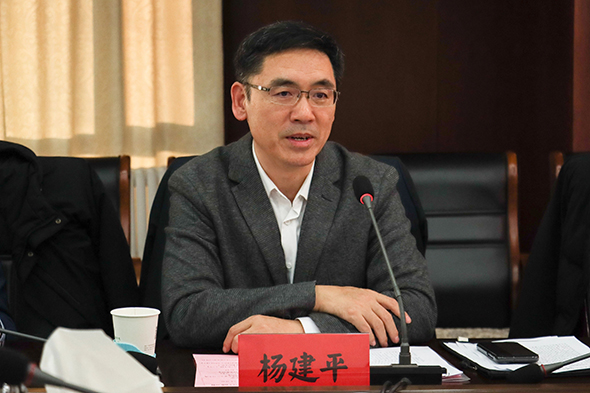
Yang Jianping, Secretary of the Party Committee and Director of the CICG Center for Asia and Pacific, and Vice President of Ĉina Esperanto-Ligo, delivered a speech. He affirmed the achievements in the construction of the Esperanto Teaching Research and International Exchange Base and, drawing on the spirit of the 15th National Esperanto Congress, offered guidance for the Base’s development. He emphasized that Esperanto work should adhere to the principle of “standing firm on ground while reaching high, spanning five continents and four seas, strengthening foundations, and pursuing rich diversity.” He called on the Base to raise its political stance, consciously integrate Esperanto work into the broader national development strategy, and conduct communication and exchanges centered on national strategies and Inner Mongolia’s unique characteristics. He also stressed the need to integrate resources from universities, associations, and the China Esperanto League, consolidate teaching and research foundations, and improve the quality of talent cultivation. Furthermore, the Base should actively focus on three major areas: talent cultivation, academic research, and international exchanges. In particular, it should leverage its geographic advantages to deepen cultural exchanges with Mongolia and develop signature projects, enabling Esperanto to demonstrate its unique value in promoting mutual learning among civilizations and serving international communication. He stated that the CICG Center for Asia and the Pacific and the Ĉina Esperanto-Ligo would continue to support the Base’s development, aiming to build it into a high-level platform for spreading China’s voice, cultivating talent, and deepening friendship.
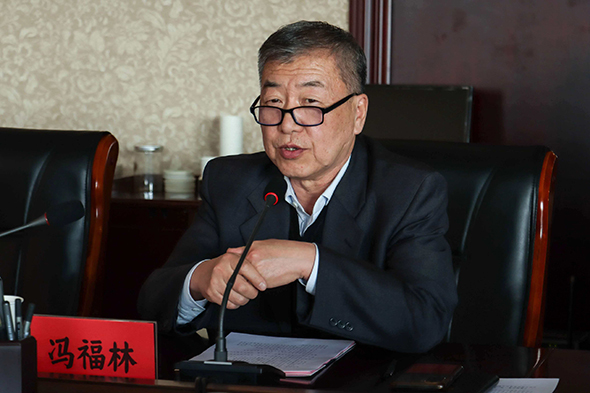
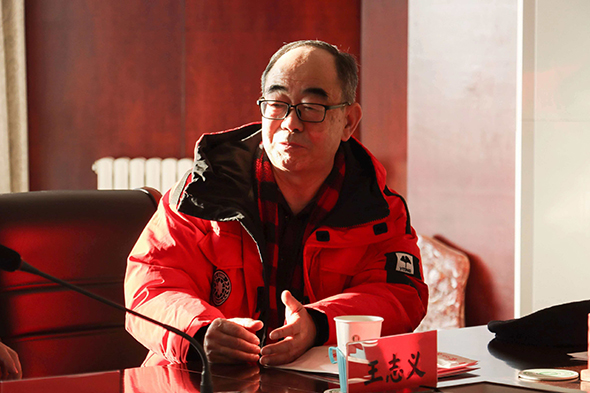
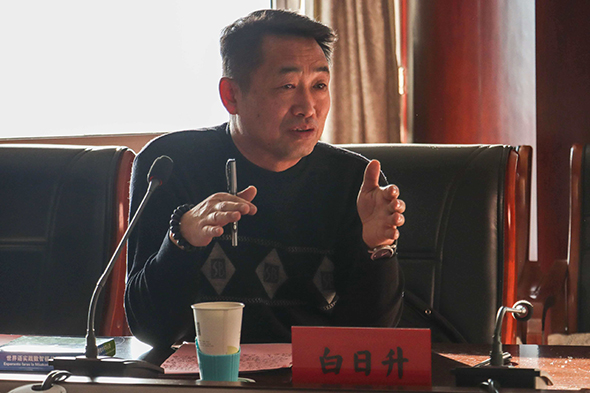
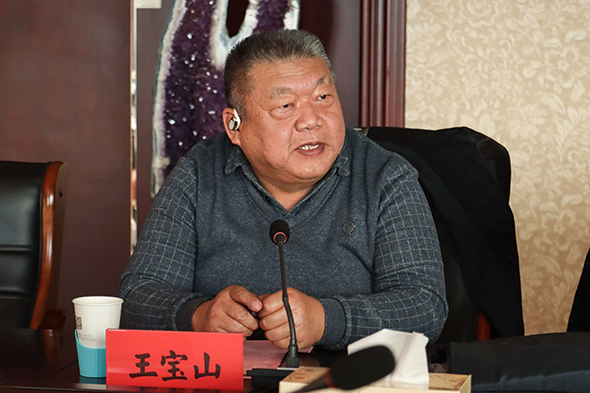
During the seminar, participants engaged in in-depth discussions on topics such as Esperanto teaching material development and innovative teaching methods.
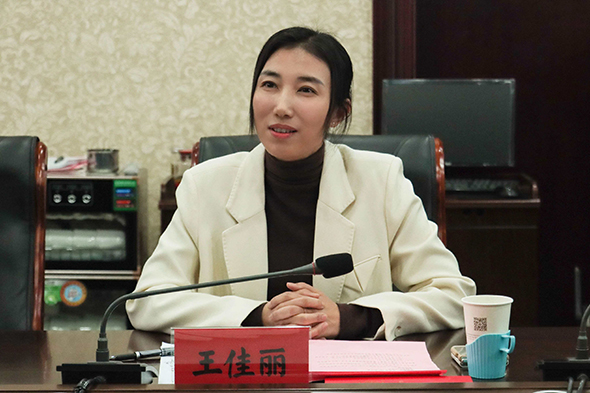
Wang Jiali, Vice President of Inner Mongolia Honder College of Arts and Sciences, delivered a concluding speech. She expressed sincere gratitude to the CICG Center for Asia and Pacific, the Ĉina Esperanto-Ligo, and the Inner Mongolia Esperanto Association for their strong support in building the Base. She noted that the Base had achieved a series of phased results since its establishment, which are the fruit of multi-party collaboration and solid work. The College will carefully study and absorb the opinions and suggestions put forward during the seminar and systematically incorporate them into its future development plans. Going forward, the College will continue to increase support for Esperanto teaching and research, further optimize its disciplinary layout, continuously promote curriculum enhancement and faculty development, and actively expand domestic and international cooperation networks. With the continued collaboration of all parties, the College hopes to build the Base into a distinctive and broadly influential regional center for Esperanto teaching, research, and cultural exchange, thereby making positive contributions to cultivating young talent with an international perspective and serving the national strategy of cultural communication.
翻译:王妮
编辑:王文华


