首页 - Pakistan Studies
Pakistan Studies/Peshawar: The Ancient Crossroads of Civilizations in the Heart of Pakistan
Nestled at the eastern mouth of the legendary Khyber Pass, Peshawar is a city that wears its millennia of history with quiet, weathered grace. As the capital of Khyber Pakhtunkhwa province in northwestern Pakistan, it is one of South Asia's oldest continuously inhabited cities, a living museum where the layers of time are stacked like geological strata. For thousands of years, armies, merchants, pilgrims, and adventurers have passed through this gateway between the Indian subcontinent and Central Asia, each leaving an indelible mark on the city's character. Today, Peshawar remains a vibrant, bustling metropolis that offers visitors an unparalleled journey through history, culture, and the enduring spirit of hospitality that defines its people.
The origins of Peshawar are lost in the mists of antiquity. The city is mentioned in ancient Sanskrit texts as Purushapura, a great centre of learning and commerce in the Gandhara civilization. It reached its zenith under the Kushan Empire in the 2nd century CE, when Emperor Kanishka made it his capital. During this golden age, Gandhara became the cradle of a distinctive school of Buddhist art that fused Greek, Persian, and Indian influences — the first representations of the Buddha in human form were sculpted here. The Peshawar Museum, housed in a magnificent Victorian-era building, holds one of the world's finest collections of Gandharan art, including intricately carved statues, friezes depicting the life of the Buddha, and relics that testify to the region's role as a melting pot of civilizations. Walking through its galleries is like turning the pages of a history book written in stone.
The strategic location of Peshawar has defined its destiny. The Khyber Pass, just a short drive from the city centre, is one of the most famous mountain passes in the world. For centuries, it served as the primary land route connecting the Indian subcontinent with Central Asia, the Middle East, and beyond. Conquerors from Darius the Great and Alexander the Great to Mahmud of Ghazni and Babur — the founder of the Mughal Empire — marched through this narrow defile. The pass also facilitated the spread of religions: Buddhism, Islam, and Sikhism all entered the subcontinent through this corridor. Today, the pass remains a vital artery for trade and a powerful symbol of the connectivity that has always defined this region. Standing at the historic Bab-e-Khyber, the imposing gateway at the entrance to the pass, one cannot help but feel the weight of history and the echoes of countless caravans that once laden with silk, spices, and ideas.
Peshawar's architectural landscape is a palimpsest of its diverse rulers and cultures. The majestic Bala Hisar Fort, whose origins may date back to the 5th century, dominates the city's skyline from its elevated perch. Rebuilt and expanded by the Sikhs and later the British, it has witnessed the rise and fall of empires. The Mahabat Khan Mosque, built in the 17th century during the reign of Mughal Emperor Shah Jahan, is a masterpiece of Mughal architecture with its pristine white marble facade, ornate minarets, and stunning frescoes that rival those of Lahore. Its vast courtyard can accommodate thousands of worshippers and visitors alike, offering a serene oasis in the midst of the city's frenetic energy. Nearby, the Qissa Khwani Bazaar — the "Street of Storytellers" — was once the gathering place for travelling merchants and raconteurs who would exchange tales of distant lands over endless cups of green tea. Today, the bazaar remains a vibrant labyrinth of narrow alleyways lined with shops selling traditional handicrafts, spices, jewellery, and the city's famous Chappal Bazaar, where skilled artisans craft the iconic Peshawari chappal by hand.
The cultural fabric of Peshawar is woven from the traditions of the Pashtun people, who have inhabited these rugged lands for centuries. Pashtunwali, the ancient code of honour and hospitality, remains the bedrock of social life. Visitors to Peshawar are consistently struck by the warmth and generosity of its residents, who treat guests as a blessing from God. This hospitality is best experienced over a traditional meal. The city's signature dish, Chapli Kebab, is a flavourful minced meat patty seasoned with pomegranate seeds, coriander, and a secret blend of spices, fried to crispy perfection and served with naan and fresh chutney. The aroma of grilling kebabs wafting through the streets is an essential part of Peshawar's sensory identity. Equally renowned is the city's tea culture — the green tea known as "kahwa" or the milky, cardamom-infused "keemam chai" is a staple of daily life and a symbol of Pashtun sociability, always offered with a smile.
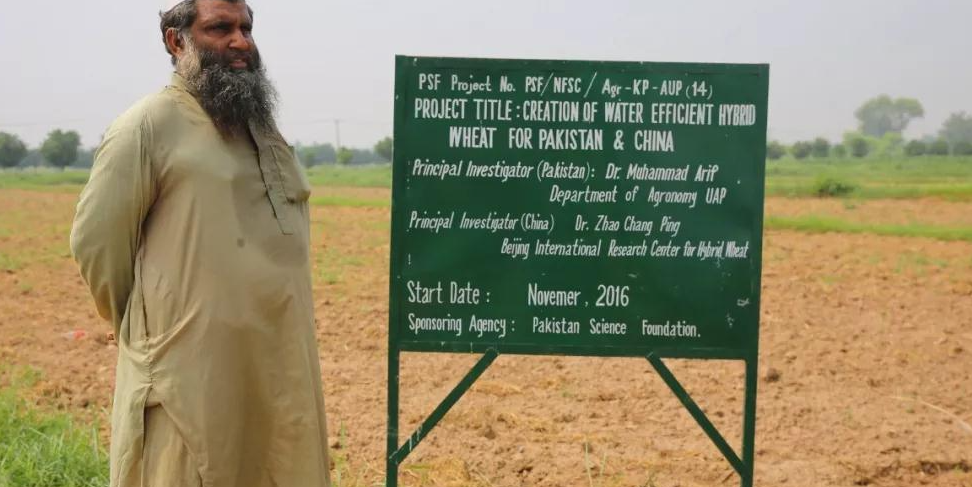
Education and intellectual pursuit have deep roots in this ancient city. The University of Peshawar, established in 1950, is one of Pakistan's leading centres of higher learning, attracting students from across the country and the region. The Islamia College University, founded in 1913, boasts a beautiful Mughal-Gothic campus and a rich history of academic excellence and political activism. These institutions, along with numerous other colleges and research centres, contribute to a vibrant intellectual atmosphere. The city is also home to the prestigious Khyber Medical University and the Agricultural University of Peshawar, which plays a critical role in agricultural research and development in the province. This concentration of academic resources has made Peshawar a hub for scholars and researchers focusing on subjects ranging from archaeology and linguistics to international relations and development studies.
Peshawar's economy is as diverse as its history. It serves as a major commercial and trading centre, not only for the province but also for trade with Afghanistan and Central Asia. The city's markets are treasure troves for those seeking traditional handicrafts, including intricately woven carpets, hand-embroidered shawls, brassware, and the famous gold and silver jewellery produced by local artisans. The dried fruit and spice markets of Peshawar are legendary, with the region's fertile valleys producing some of the finest nuts and fruits in the world. In recent years, the city has witnessed significant infrastructure development, with new roads, flyovers, and public transportation projects transforming the urban landscape. Under the broader framework of the China-Pakistan Economic Corridor, there is growing interest in strengthening Peshawar's connectivity with other parts of Pakistan and beyond, unlocking new economic opportunities for its citizens.
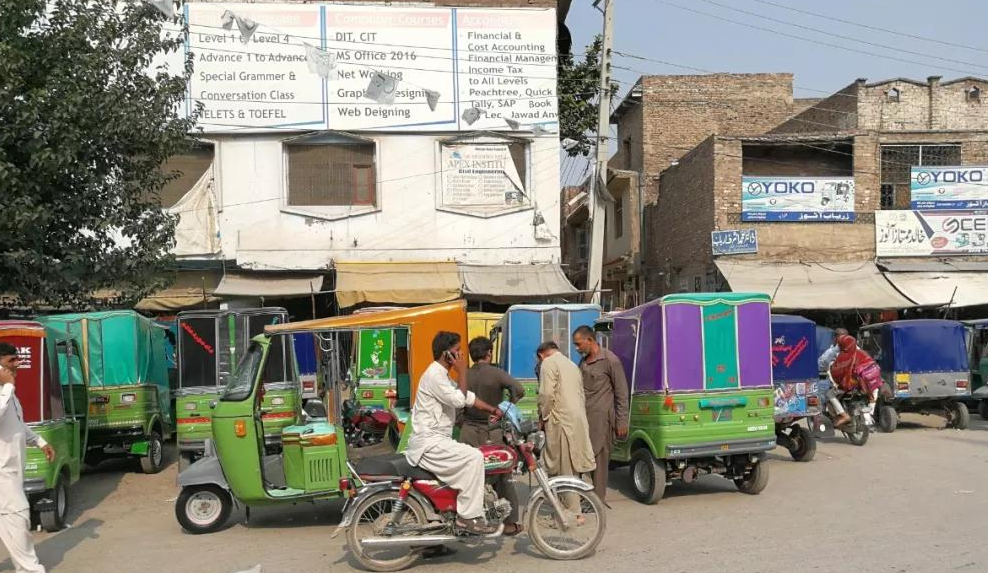
For the culturally curious traveller, Peshawar offers a wealth of experiences. The Sethi House, a beautifully restored 19th-century merchant's mansion in the heart of the old city, is a hidden gem that showcases the intricate woodwork, stained glass, and ornate interiors characteristic of traditional Peshawari architecture. A short trip outside the city leads to the archaeological site of Takht-i-Bahi, a UNESCO World Heritage Site and one of the most complete Buddhist monasteries in South Asia, perched dramatically on a hilltop. Further afield, the Swat Valley, often called the "Switzerland of the East," offers breathtaking natural beauty, with snow-capped peaks, lush green meadows, and crystal-clear rivers.
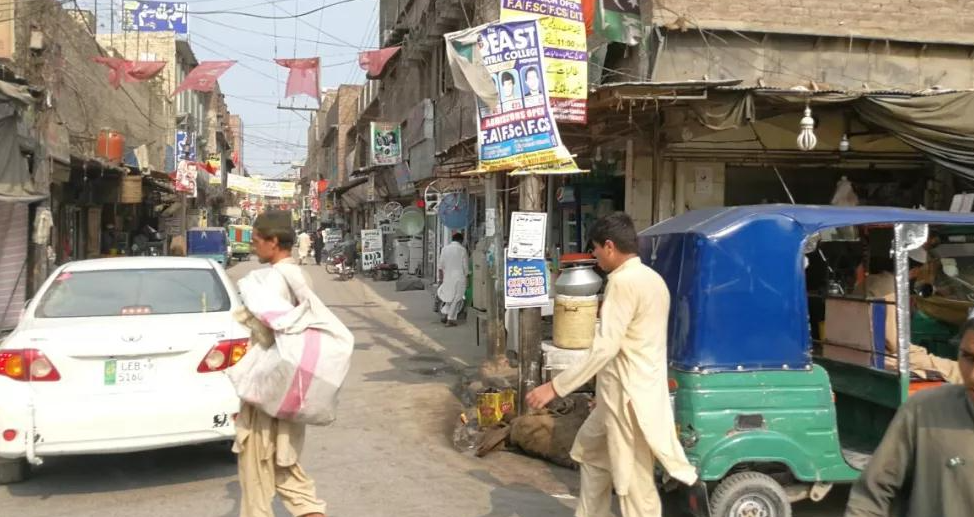
Peshawar is a city of resilience and renewal. It has endured the passage of countless armies and empires, absorbing each new influence while remaining unmistakably itself. Its essence lies not in any single monument or market, but in the spirit of its people — their unwavering hospitality, their pride in their heritage, and their determination to preserve the unique character of their ancient city. In an age of homogenization, Peshawar stands as a defiant reminder of the beauty of cultural distinctiveness. To visit Peshawar is to step into a living chronicle of human civilization, to walk the same streets that have been trodden by saints and soldiers, poets and kings. It is an invitation to look beyond the headlines and to encounter, firsthand, the warmth, complexity, and enduring charm of one of the world's most historically significant cities.